5 European Destinations to Have on Your Radar Before Everyone Else
The places quietly gathering momentum — still unhurried, still yours to discover — and exactly where to stay in each one.
August 16, 2026
There is a particular pleasure in arriving somewhere just before it becomes obvious. The restaurant that still takes a walk-in. The cove reached by a dirt road rather than a shuttle bus. The hotel whose owner remembers your name because there are only eleven rooms. It is not about being first; it is about arriving while a place still behaves like itself.
Europe rearranges its map of desire every few summers, and the shift is already visible for 2026. Flight routes are quietly opening, small design-led hotels are taking over farmhouses and townhouses, and the crowds that once moved in a single direction are beginning to disperse. These are the five destinations our editors are watching now — chosen for atmosphere, food, design and landscape rather than for the algorithm.
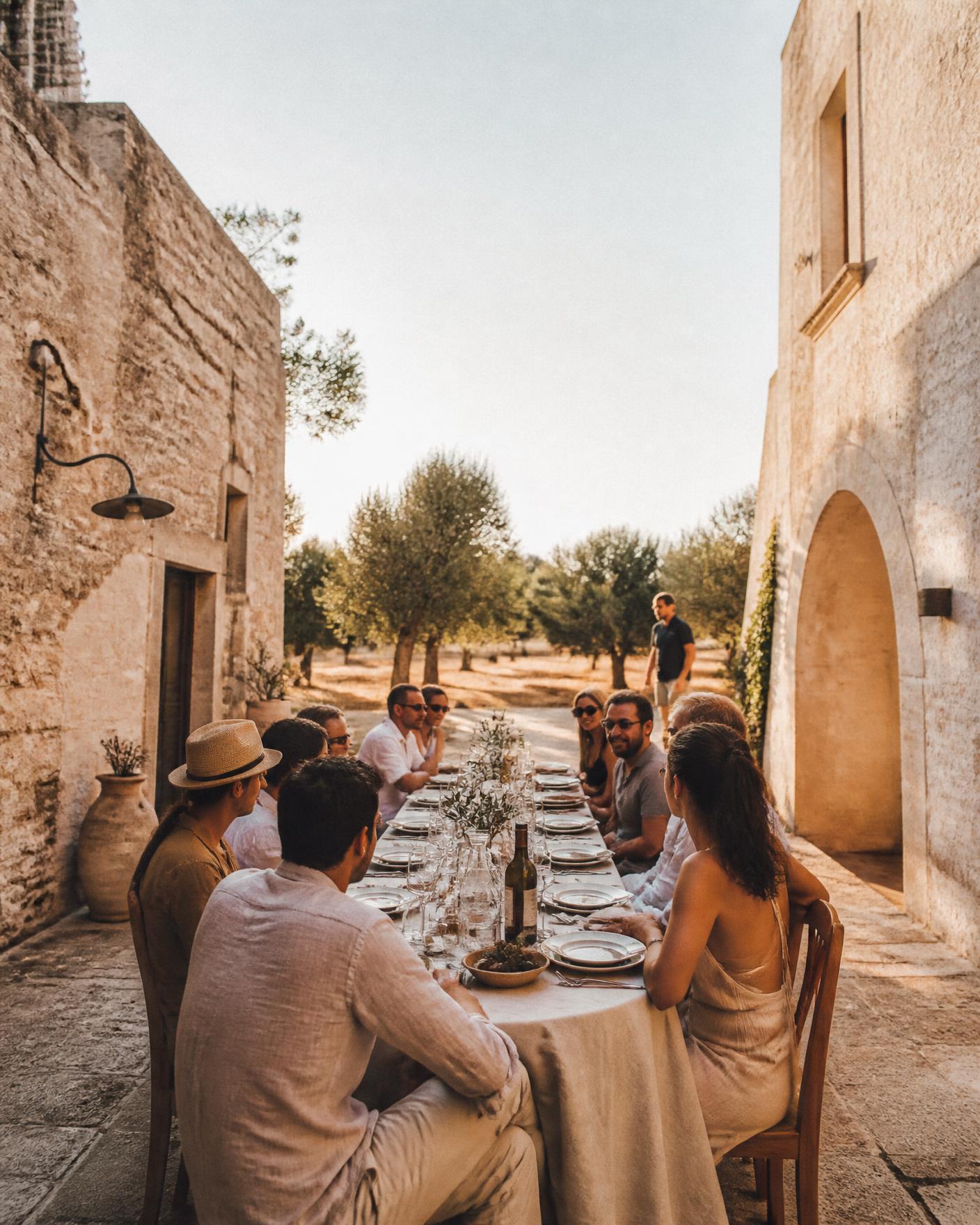
Puglia, Italy
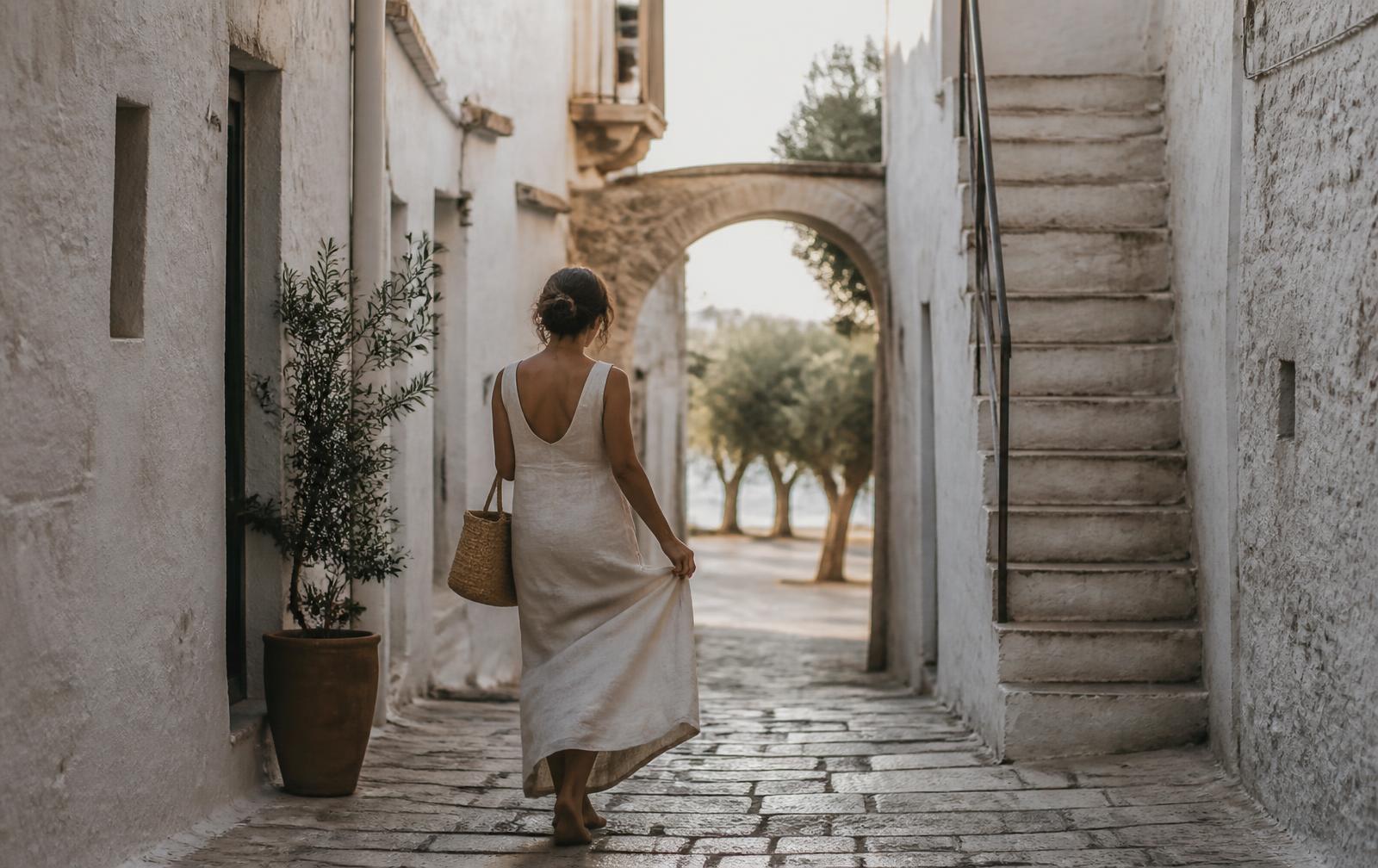
Why it's on our radar. Puglia is Italy at a lower temperature of ambition. The heel of the country runs on whitewashed hill towns, sixteenth-century masserie converted into austere, beautiful hotels, and a coastline of limestone and sea caves that still belongs largely to Italians. The cooking is the most honest in the south — orecchiette with turnip tops, burrata that arrives an hour after it was made, bread from Altamura that keeps for a week. What differentiates it from the Amalfi Coast is the pace: nothing is vertical, nothing is scarce, nothing needs booking six months ahead. It is the version of Italian luxury that involves fewer people looking at you.
Go for: a week of slow driving between Ostuni, Locorotondo and the Valle d'Itria, with long lunches and afternoons in the sea.
Stay: Masseria Torre Maizza near Savelletri, a fortified farmhouse turned Rocco Forte property with a golf course and a private beach club — check availability →. For something smaller and more austere, Masseria Moroseta above Ostuni is six rooms of raw stone and lime plaster — explore the stay →.
The Beauty Edit Tip: drive to Polignano a Mare for an early swim before nine, then breakfast at a bar on the piazza — the town is entirely different at that hour. Planning a wider Italian route? Our guide to Rome beyond the landmarks pairs well as a first or final stop.
Menorca, Spain
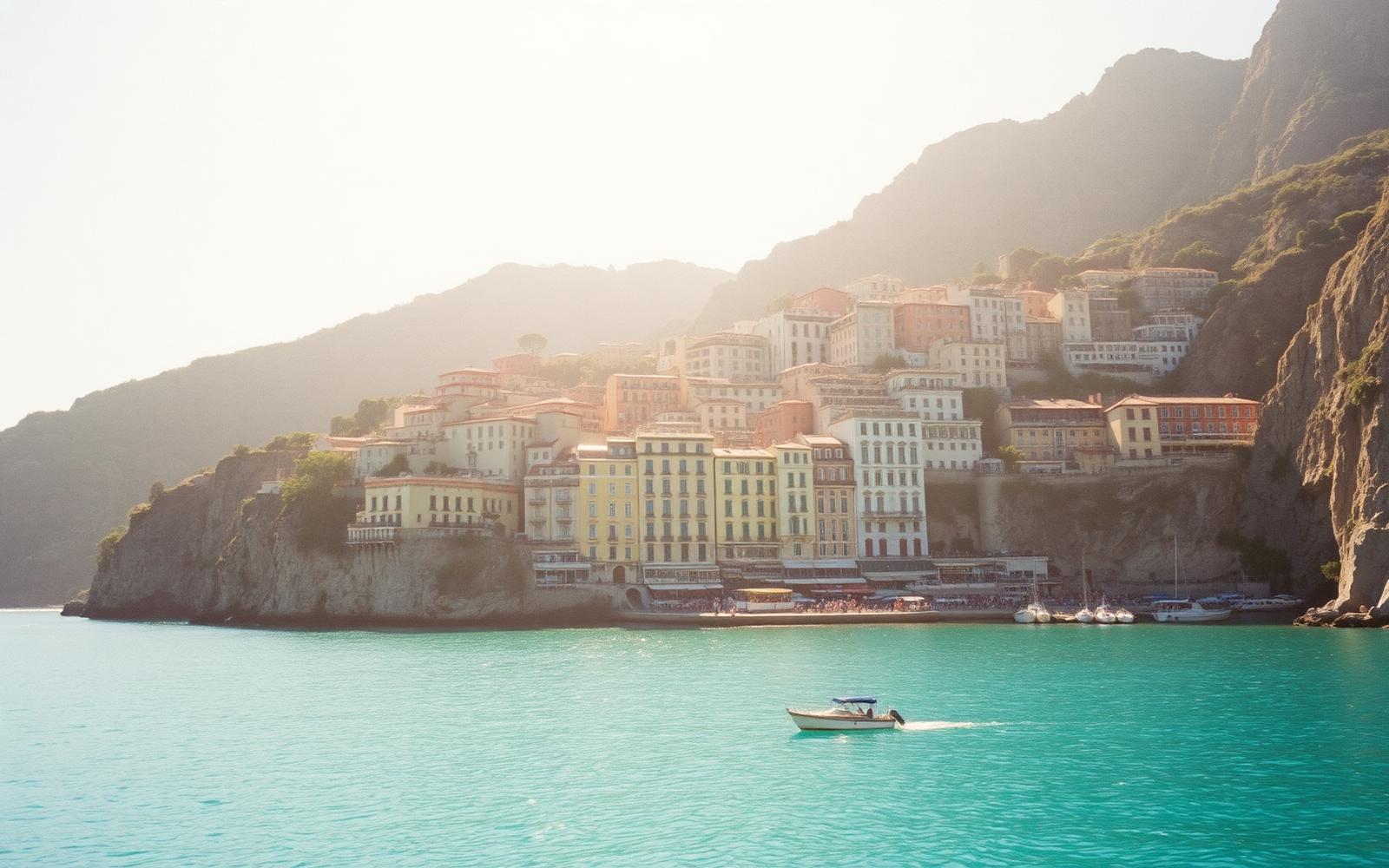
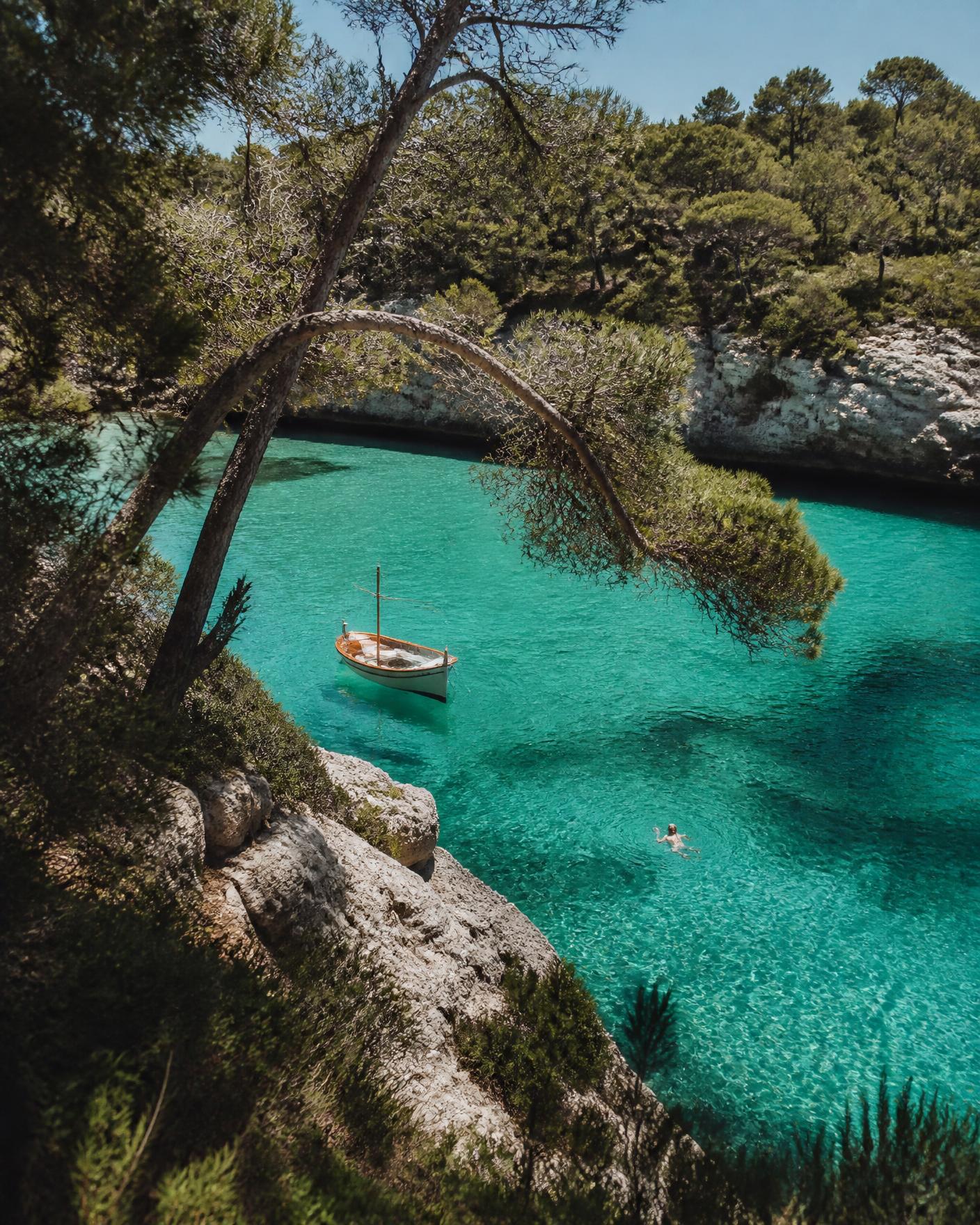
Why it's on our radar. Menorca has spent two decades declining to become Mallorca. Protected as a UNESCO biosphere reserve since 1993, it has no high-rise coastline and no appetite for one — what it has instead is a ring of limestone coves reached on foot, a coastal path (the Camí de Cavalls) that circles the whole island, and two small port towns, Maó and Ciutadella, with more Georgian and Baroque architecture than the guidebooks admit. The new generation of hotels here is deliberately understated: converted palaces, agroturismos in the interior, whitewash and linen rather than marble and bass.
Go for: a barefoot week of cove-hopping by boat, long dinners on the port, and no plan more ambitious than the next swim.
Stay: Menorca Experimental, a nineteenth-century finca in the island's green interior with a garden restaurant worth a night alone — check availability →. In Ciutadella, Can Faustino occupies a sixteenth-century palace two streets from the harbour — explore the stay →.
The Beauty Edit Tip: the southern calas — Macarella, Mitjana, Turqueta — are best between five and seven in the evening, when the day boats leave and the water turns its most improbable colour. Pack the pieces from our Mediterranean capsule wardrobe and very little else.
Ljubljana, Slovenia
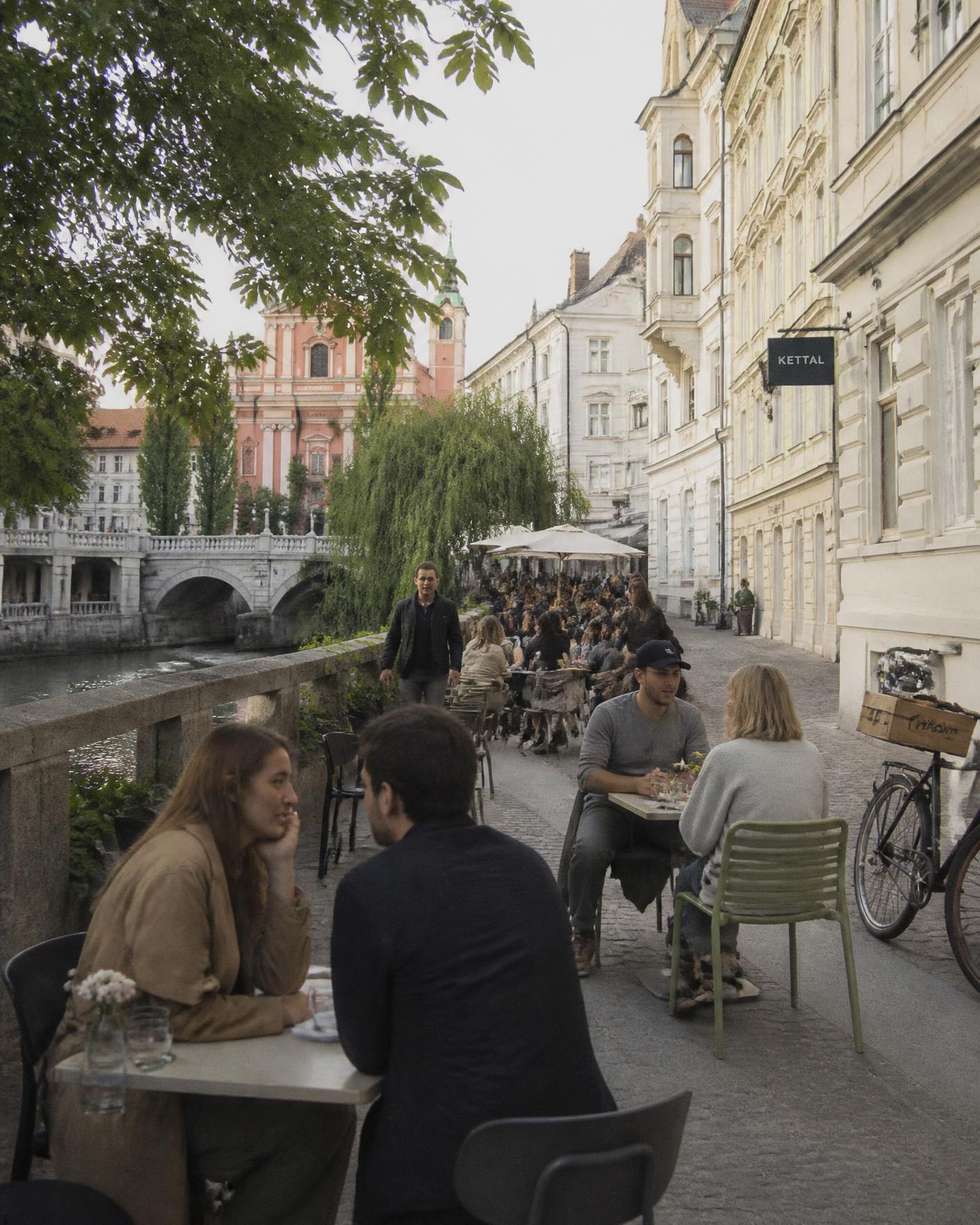
Why it's on our radar. Europe's most quietly sophisticated small capital. Ljubljana is a city of roughly 300,000 people, largely car-free in the centre, designed in great part by a single architect — Jože Plečnik — whose bridges, colonnades and riverbanks give it a coherence most capitals lost a century ago. The result is a city break that feels curated: riverside café terraces, a serious independent design and ceramics scene, a Saturday market that reads like a Slovenian food manifesto, and a new wave of restaurants working with Karst wine and Adriatic seafood. Lake Bled is forty minutes away; the Adriatic, ninety.
Go for: a long weekend of architecture, cafés and design shopping, with one day escaping into the Julian Alps or the Karst wine country.
Stay: Vander Urbani Resort, a set of restored medieval townhouses with a rooftop pool over the old town — check availability →. For something grander, InterContinental Ljubljana has the best rooftop view in the country — explore the stay →.
The Beauty Edit Tip: go on a Friday and stay for Odprta Kuhna, the open-kitchen market on Pogačarjev Square — the fastest way to eat your way through the country in one afternoon. If Nordic-style city breaks are your register, read what we saw at Copenhagen Fashion Week.
Alentejo, Portugal
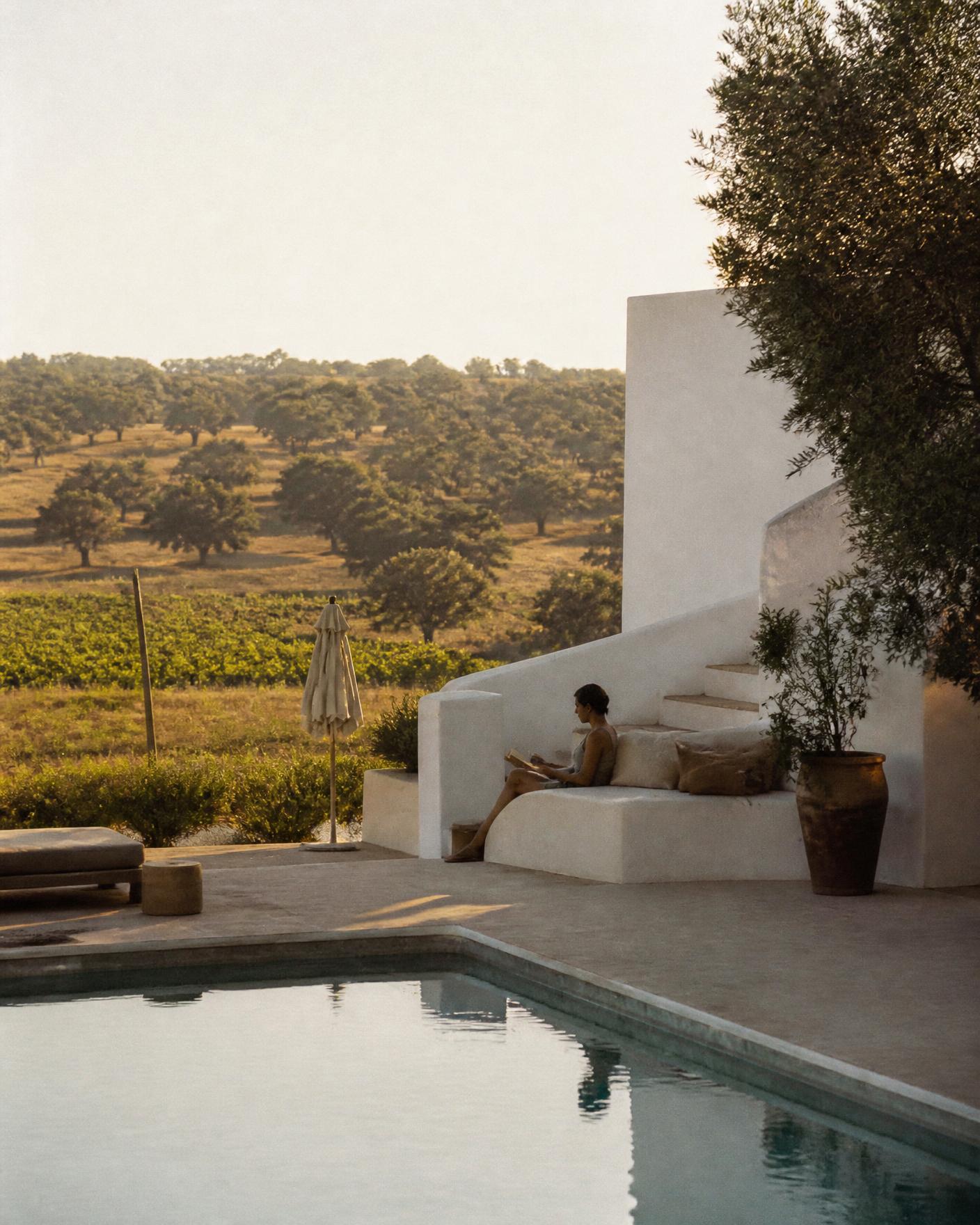
Why it's on our radar. Between Lisbon and the Algarve lies a third of Portugal that most visitors drive straight through: cork oaks, wheat plains, marble towns and vineyards, with a coastline — the Costa Vicentina — that is wilder and emptier than anything further south. The Alentejo has become the country's most interesting design destination almost by accident: architects have been converting monte farmhouses into low, white, deeply minimal hotels for a decade, and the wine has caught up with the rooms. The food is the richest in Portugal — black pork, clams with coriander, bread soups — and lunch still lasts two hours.
Go for: a slow driving week between Évora, Comporta and the Vicentina coast, structured around vineyards and long lunches.
Stay: São Lourenço do Barrocal near Monsaraz, a two-hundred-year-old farming estate reimagined by Eduardo Souto de Moura — check availability →. Closer to the sea, Craveiral Farmhouse near Zambujeira do Mar is the family-friendly counterpart — explore the stay →.
The Beauty Edit Tip: book a late-afternoon tasting at a small Alentejo winery rather than a morning one — the light across the vines at seven is the reason people move here.
Sicily, Italy
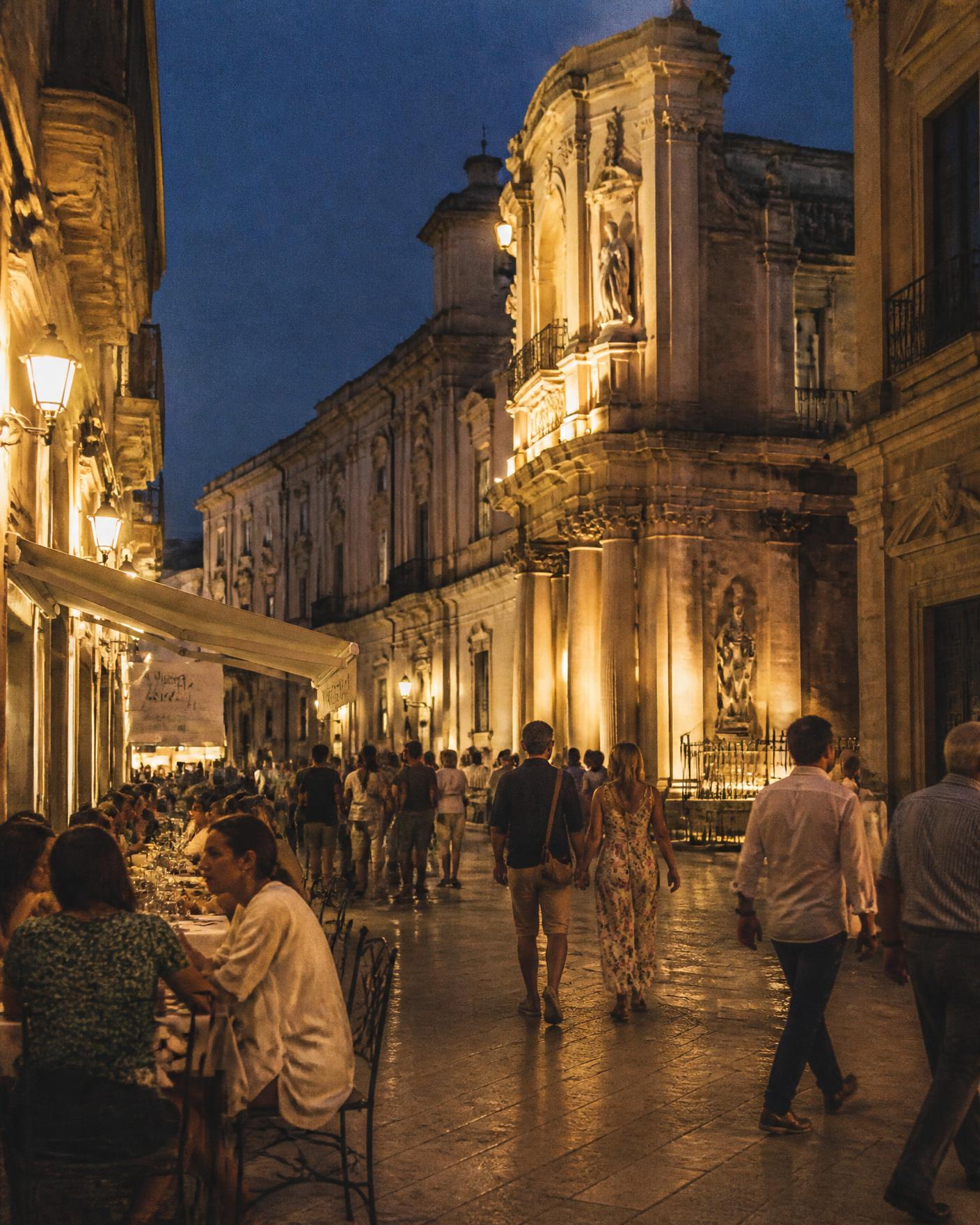
Why it's on our radar. Sicily is not undiscovered — but it is under-travelled. Most visitors give it four days and one coastline, when the island holds Greek temples, Arab-Norman cathedrals, Baroque towns rebuilt in a single decade after an earthquake, and a volcano with vineyards on its slopes. The glamour here has more character than the mainland's: dinner in Ortigia, a granita and brioche at eight in the morning, a wine list built on Etna Nerello Mascalese, and a coastline that shifts from Ionian drama to North African flatness within three hours' drive. Go beyond Taormina and it is still, remarkably, yours.
Go for: a route through the Baroque southeast — Ortigia, Noto, Modica, Ragusa — finishing with two nights on Etna.
Stay: Grand Hotel Minareto outside Syracuse sits on its own peninsula with swimming straight off the rocks — check availability →. Inland, Monaci delle Terre Nere is a biodynamic wine estate on the slopes of Etna — explore the stay →.
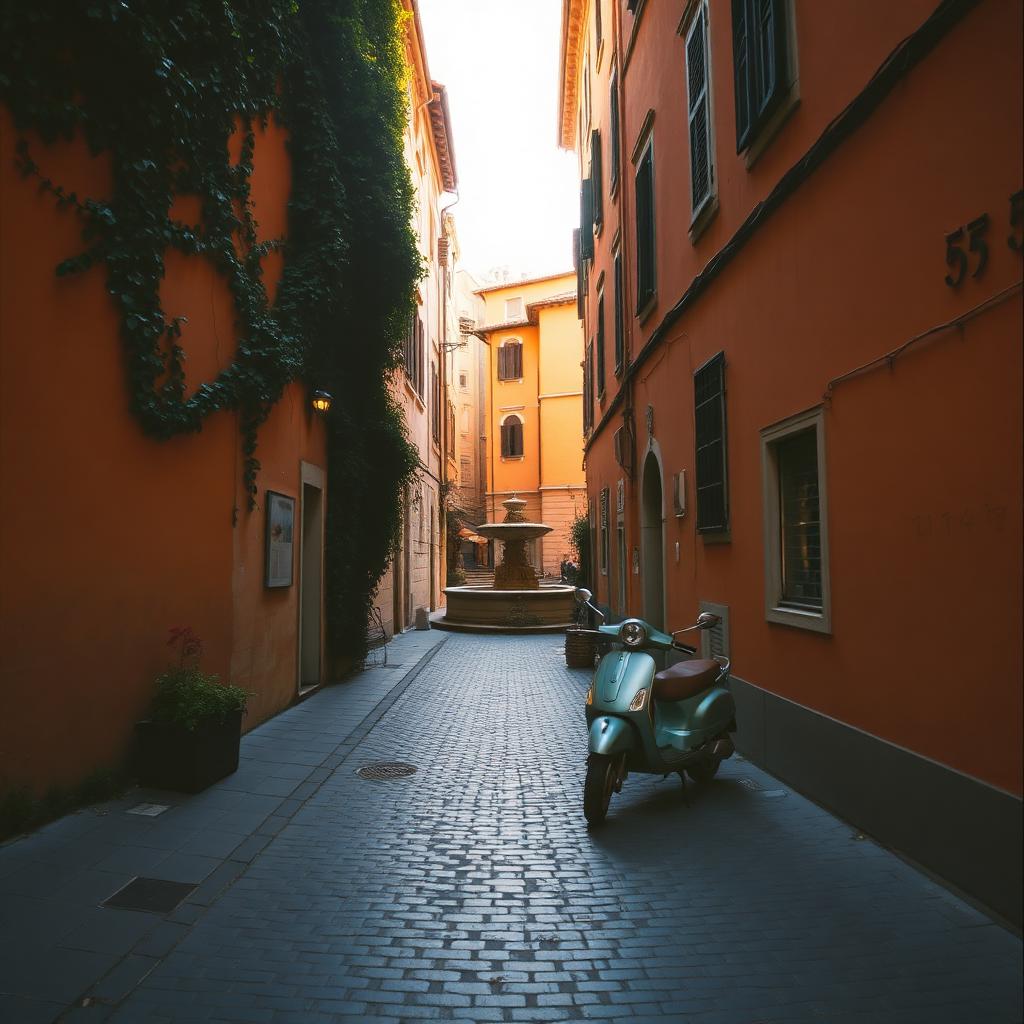
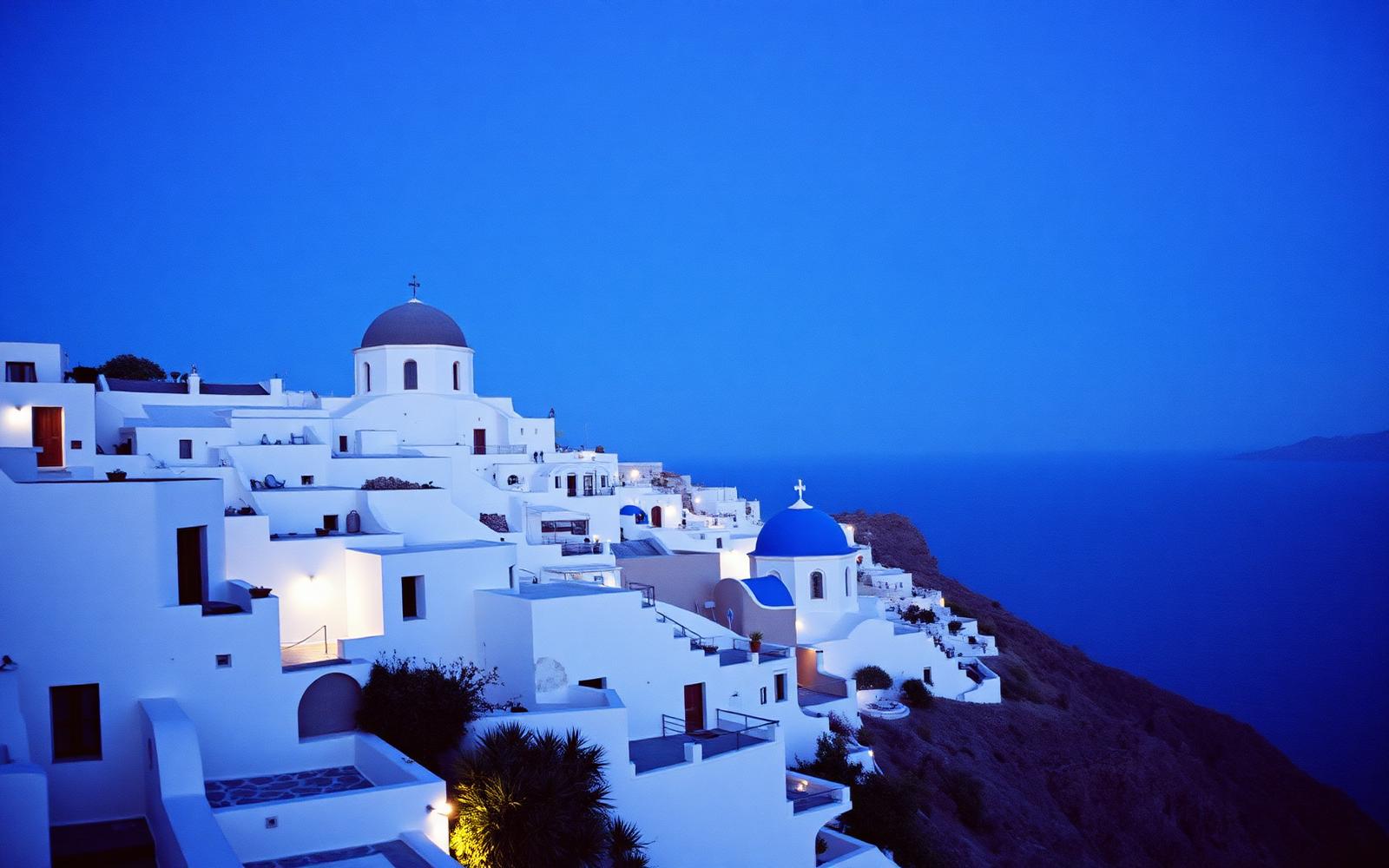
The Beauty Edit Tip: eat granita for breakfast, not dessert — almond in Noto, lemon in Ortigia, always with brioche. If the Greek-island version of this light is what you're after, our Santorini guide covers where to go when the caldera fills up.
Plan the Trip
Plan the Trip
Puglia · Menorca · Ljubljana · Alentejo · Sicily
Five destinations, one season. Compare stays across all of them and hold your dates while they are still quiet.
Explore stays & plan your escape →None of these places are secrets, exactly. They are simply earlier in their curve — the moment when a destination has enough good hotels and restaurants to reward the journey, but not yet enough visitors to change its own behaviour. That window tends to last two or three summers.
Book the smaller hotel. Go in June or September. Stay a day longer than seems reasonable. The point is not to arrive before everyone else; it is to arrive while the place is still entirely itself.