Shanghai Fashion Week SS27: What It Showed and Why It Belongs on Your Radar
Everyday clothes made with intent, a romanticism with a sporting edge and independent designers taking control of their own stores. Why Shanghai has become the fashion week to watch beyond the Big Four.
October 27, 2026
Shanghai Fashion Week is no longer the event the industry checks after the Big Four. It is increasingly where a new generation of designers tests how fashion should be made, sold and worn. For Spring/Summer 2027, the shows and presentations ran from 8 to 16 October 2026, opening with the homegrown label Hemu and its Silk Road collection, according to Vogue's season report.
What made the season worth reading was not one spectacular show. It was a shift in priorities. Designers who built their names on statement pieces moved toward clothes for everyday wear, while several labels used the week to open standalone stores and test their own retail formats instead of relying only on showrooms and wholesale buyers.
This analysis separates what was reported from the runways and presentations from The Beauty Edit's interpretation. It follows the same method as our coverage of Paris, Milan, London and New York: look first, then identify the pattern, then ask what it means.
Shanghai Fashion Week SS27 at a Glance
For readers who want the short version, these are the essential facts and signals from the season.
- Dates: 8 to 16 October 2026, presenting Spring/Summer 2027 collections.
- Opening show: Hemu, with a Silk Road collection.
- Key platform: Labelhood, the independent incubator co-founded by Tasha Liu, now in its 22nd season.
- Main trend: a move from occasion pieces and dramatic styling toward refined everyday wear.
- Aesthetic signal: romantic femininity (bows, lace, balloon skirts, pastels) balanced with sporty or practical details.
- Business signal: independent Chinese labels opening their own stores and building direct customer relationships.
- Designers to know: Shushu/Tong, Markgong, Pronounce, RuiBuilt, Yangkehan and Samuel Guì Yang.
Why Shanghai Fashion Week Matters Now
Fashion intelligence has traditionally been organised around New York, London, Milan and Paris. That map no longer describes where creative energy, consumer influence and new business models are forming. China remains one of the most important luxury markets in the world, and Shanghai is the city where its independent design culture is most concentrated.
The context is demanding. Vogue notes that the luxury market is still in a sluggish recovery, particularly in China, with consumers becoming more selective. For independent designers, recognition alone is not enough: they must convert attention into sales, build repeat customers and develop distribution that can withstand uncertain demand. Shanghai's SS27 season showed those questions answered in real time, both on the runway and in the commercial decisions around it.
That is why the week deserves a place on any serious fashion radar. It offers an early reading of how a highly connected, style-literate consumer base responds to design, and how designers adjust when spectacle is no longer a sufficient strategy. Many of the ideas tested here are relevant to brands and shoppers far beyond China.
Shanghai is not a satellite of the Western calendar. It is a laboratory for what independent fashion has to become.
01. Rewriting the Everyday
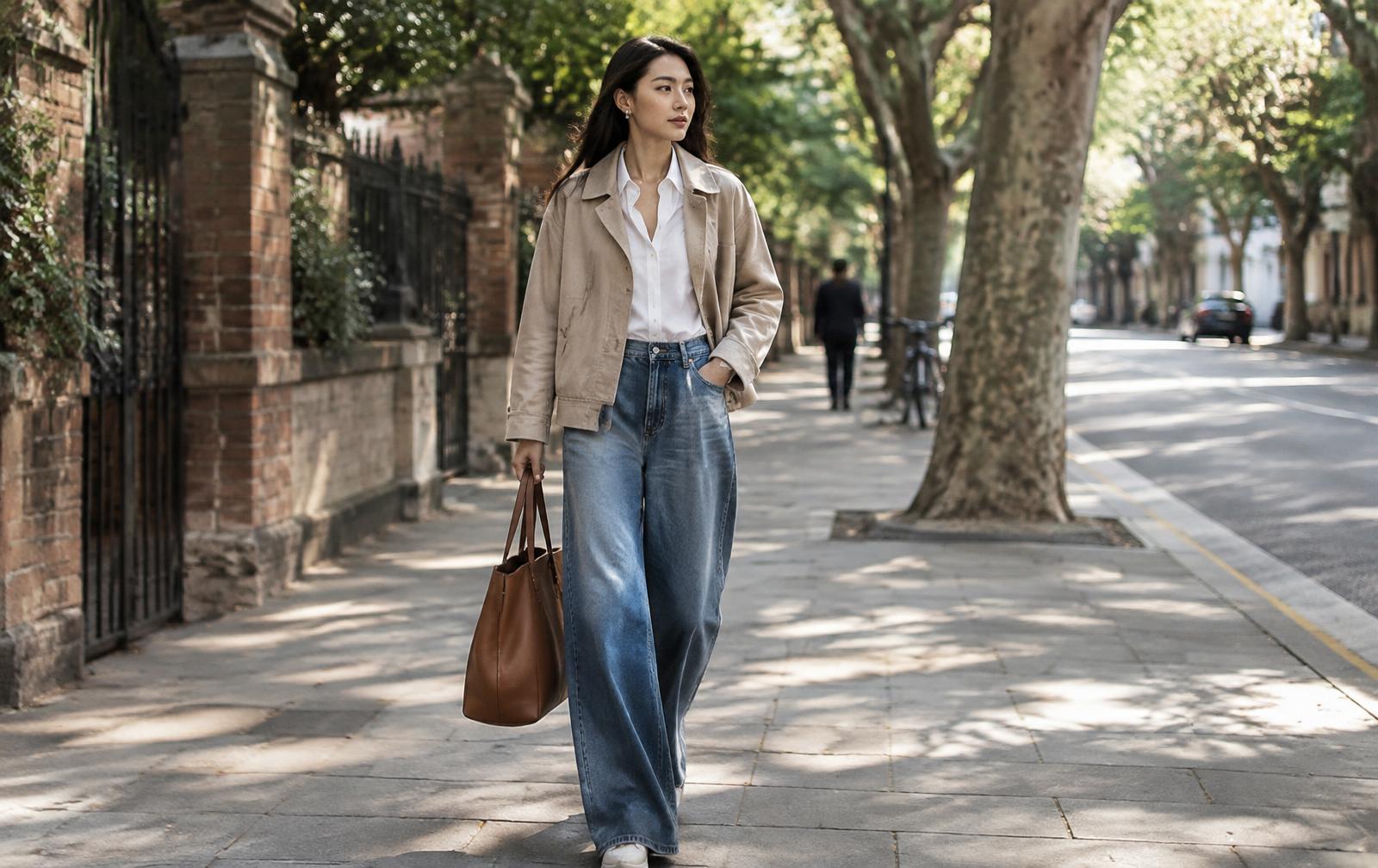
The defining trend of Shanghai Fashion Week SS27 was a move toward clothes designed for daily life rather than the occasion pieces and dramatic styling that have often marked the city's runways. Vogue framed the season precisely as a rewriting of the everyday.
RuiBuilt offered one of the clearest examples. Its founder, Rui Zhou, described how the brand moved from visually striking pieces toward a wider range that now includes essentials such as jeans and lightweight jackets. The challenge, as reported, is to broaden appeal without diluting the identity that made the label notable in the first place.
Our reading: this is not a retreat into basics. It is a recalibration of value. A shopper who spends carefully wants a piece that earns its place through repeated wear, and Shanghai's designers are answering with garments where the design intelligence sits in proportion, fabric and detail rather than in a single dramatic statement.
02. A Romanticism With a Sporting Edge
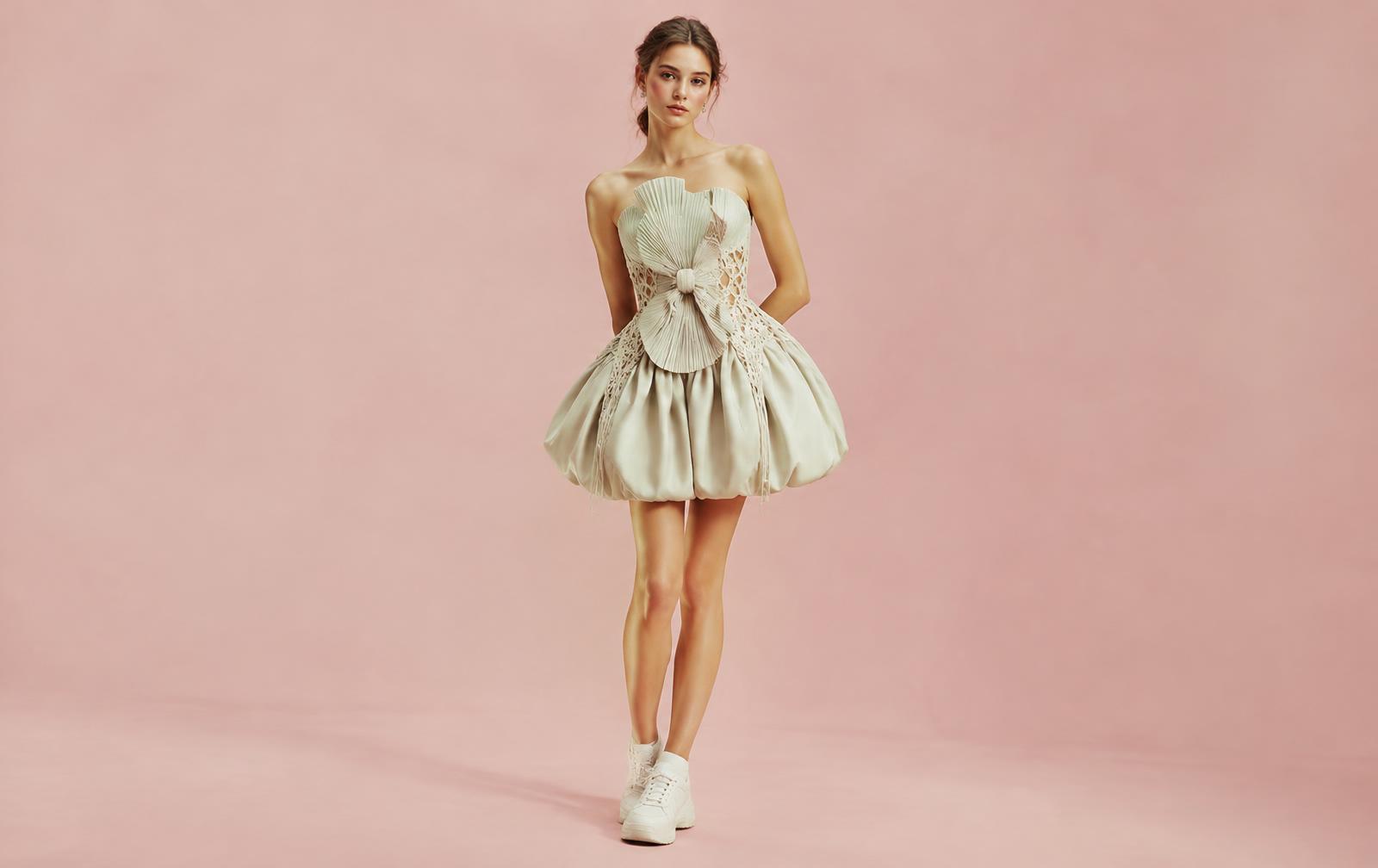
Femininity remained central, but in a form specific to Shanghai. Fashion Times reported girly dresses, romantic prints, sculptural bows, delicate lace, layered ruffles and nature-inspired motifs across collections by Shushu/Tong, Markgong and Yangkehan.
What distinguished this romanticism was its contrast. At Shushu/Tong, sporty details introduced a casual note so that the label's feminine aesthetic no longer depended only on occasionwear. At Markgong, pastels and feathers were cut through with black and leopard print. Sweetness was present, but it rarely arrived without a counterweight.
For a global wardrobe, this is the useful lesson: a romantic piece becomes contemporary when it is styled against something practical, such as a sneaker, a technical layer or a sharp black garment. The tension is the point.
03. Heritage Without Costume
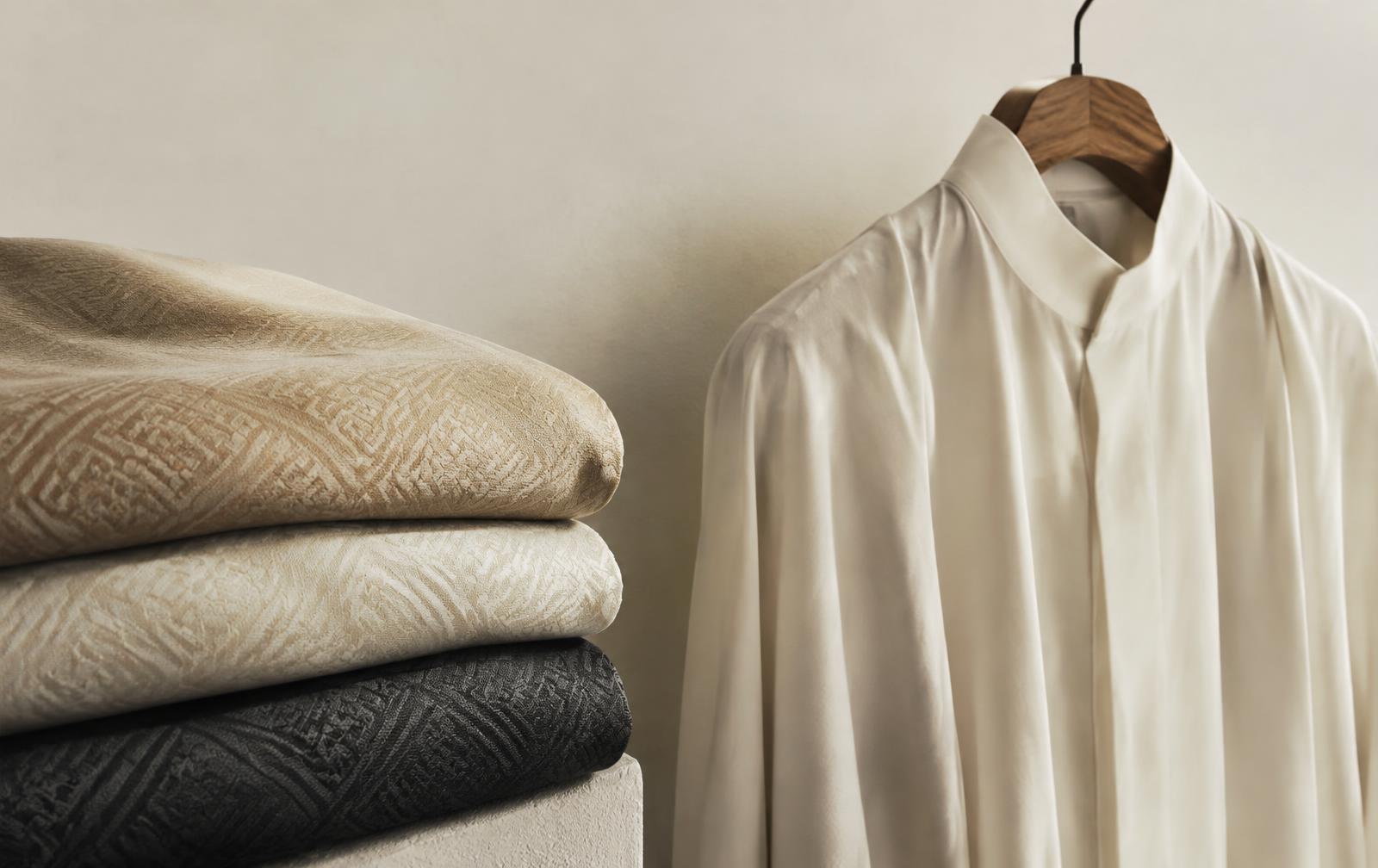
Hemu opened the week with a collection built around the Silk Road, a reference that places Chinese cultural history at the start of the season's narrative. Across the wider Chinese fashion scene, the more interesting work treats heritage as a source of material, construction and attitude rather than literal decoration.
This is an editorial observation rather than a claim about every collection: the strongest heritage references tend to appear in fabric choices, collars, drape and colour, integrated into modern silhouettes. It is a more confident position than nostalgia, and it mirrors what we saw in Paris, where houses asked what their codes could do now rather than simply repeating them.
For readers, the takeaway is subtle. Look for cultural specificity in the quality of silk, the line of a mandarin collar or the restraint of a palette, not in obvious motifs.
04. Fluid Identity and Personal Narrative
Several collections were built around a character or a story rather than a theme board. Pronounce presented a collection titled Through Her Eyes, reported as exploring gender boundaries. Markgong continued developing its persona, the Gong Girl, a woman who expresses her emotions and ambitions without seeking approval.
Shushu/Tong drew directly on cinema, taking Jacques Demy's 1964 film The Umbrellas of Cherbourg as the starting point for its collection, Darling Melancholy. Colourful umbrellas placed on the seats extended the reference into the show itself.
The pattern: Shanghai's designers are building emotional worlds that customers can recognise and return to. In a selective market, a clear narrative is not decoration. It is a reason to belong to a brand.
05. The Business Shift: From Showroom to Own Store
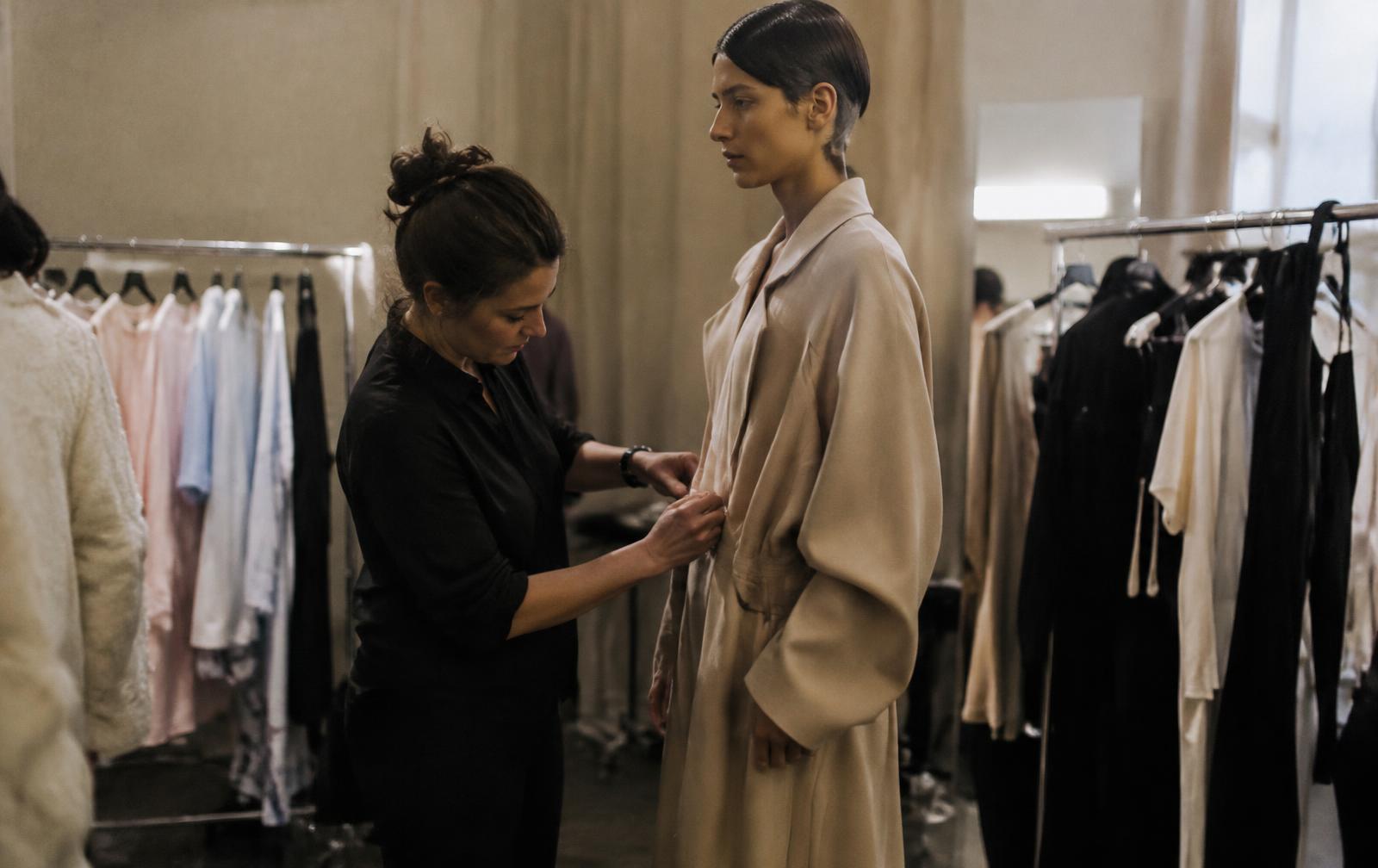
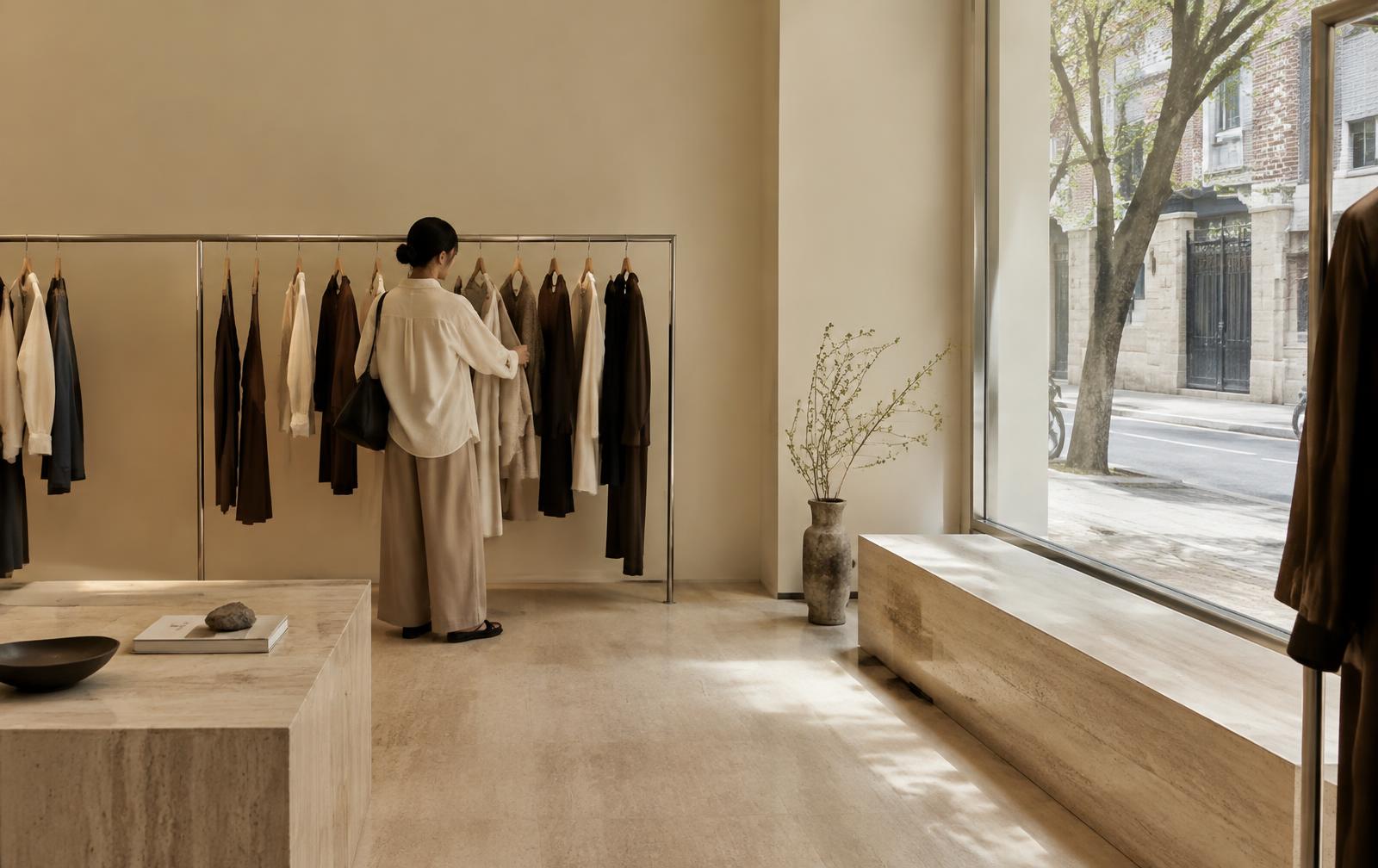
The most consequential story of Shanghai Fashion Week SS27 may have happened off the runway. Vogue reported that brands used the week to open standalone stores, test pop-up retail and reconsider their reliance on showrooms to reach wholesale buyers. Brands including Samuel Guì Yang, Markgong and Nana Jacqueline were cited among those investing in direct relationships with customers.
Labelhood co-founder Tasha Liu told HERO that the platform is bringing fashion week and retail closer together, and that during the week it supported the opening of new stores for Yangkehan and Samuel Guì Yang, while connecting with Shushu/Tong and Markgong through their own retail spaces. Her idea is simple: someone discovers a designer on the runway, then walks into the store and experiences the brand directly.
Our interpretation: control of the customer relationship is becoming as important as creative recognition. For independent labels everywhere, Shanghai is demonstrating a model in which the show, the store and the community operate as one system.
Designer Signals: The Names to Know
The following analyses focus on collections with documented reporting. They are not a ranking of the week, and they do not attempt to describe every show.
Shushu/Tong: Darling Melancholy
Founded by Liushu Lei and Yutong Jiang, Shushu/Tong has become one of Shanghai's most recognised labels at home and abroad. For SS27, Darling Melancholy translated the bittersweet mood of The Umbrellas of Cherbourg into short, girlish silhouettes, balloon skirts, petal shapes, candy-coloured fabrics, macramé lace and beaded daisies, with sculptural pleated bows and sheer fabrics. Box-shaped bags completed the looks.
The contribution was balance. Sporty details gave the collection a casual note, which matters for a brand often associated with occasion dressing. It is romance designed to be worn more often.
Markgong: Til We're Us
Founded in New York in 2018 by Parsons graduate Mark Gong and later expanded to Shanghai, Markgong presented Til We're Us, the second chapter of its urban love story. Marie Claire Korea described a pink-washed set, a palette of pastel pink, mint, lavender, butter yellow, red and black, and details including feathers, sequins, lace, appliqué, ruffles, balloon silhouettes, power shoulders and leopard print.
The contribution was emotional range. The usually assertive Gong Girl softened, yet black and leopard kept the brand's edge in view. Vulnerability became a design language rather than a loss of identity.
Pronounce: Through Her Eyes
The Chinese label Pronounce presented Through Her Eyes, a collection reported as exploring gender boundaries. Within a season focused on everyday wear, it showed how a strong conceptual point of view can still be expressed through wearable clothes.
RuiBuilt: The Evolution of an Identity
RuiBuilt illustrated the season's commercial maturity. Founder Rui Zhou described expanding from striking statement pieces into essentials such as jeans and lightweight jackets. It is a pragmatic move that keeps the label's character while making it easier to wear every day.
Yangkehan and Samuel Guì Yang: Designers With Doors
Both labels marked the week with new stores supported by Labelhood. Yangkehan also contributed to the romantic mood reported across the season. Samuel Guì Yang was cited among the brands deepening direct customer relationships. Their store openings make them useful case studies for how Shanghai's independent designers are building lasting businesses.
Labelhood: The Incubator Behind the Week
No account of Shanghai Fashion Week is complete without Labelhood. Over 22 seasons, the independent platform co-founded by Tasha Liu has discovered, supported and elevated emerging Chinese designers, offering space for experimentation and a bridge to international audiences, according to HERO.
What makes Labelhood relevant beyond Shanghai is its integration of retail into its mission. Liu describes retail as having always been at the heart of the platform, with its own stores and partner stores creating opportunities for people to discover Chinese fashion beyond the shows. Few fashion week platforms connect discovery and commerce so directly.
How Shanghai Compares With the Big Four
Read alongside the other Spring/Summer 2027 cities, Shanghai offered a distinct proposition. Paris focused on revising house codes and lighter construction. Milan and London explored the tension between heritage and experimentation. New York weighed commercial clarity against creative risk. Shanghai's contribution was the most explicitly business-aware: designers openly connected aesthetics to how clothes reach customers.
There was also convergence. The desire for clothes that justify their place in a wardrobe appeared in Paris as much as in Shanghai. The difference is that Shanghai's independent labels, without the resources of heritage maisons, are testing those answers with greater urgency.
How to Bring Shanghai SS27 Into Your Wardrobe
Runway signals are early propositions, not instructions. These are practical ways to translate the season.
- Invest in elevated basics: well-cut jeans, a light jacket and a clean shirt, chosen for fabric and proportion.
- Pair romance with practicality: a bow, lace or balloon skirt worn with sneakers or a sharp black layer.
- Try a soft pastel: mint, lavender or butter yellow, grounded with black or charcoal.
- Choose heritage through material: a good silk blouse or a subtle collar rather than literal motifs.
- Support independent labels directly: discovering designers through their own stores and channels is where the season pointed.
Shanghai Fashion Week: Frequently Asked Questions
- When was Shanghai Fashion Week SS27? The Spring/Summer 2027 season ran from 8 to 16 October 2026 in Shanghai.
- What were the main Shanghai Fashion Week SS27 trends? Elevated everyday wear, romantic femininity balanced with sporty details, heritage expressed through material and line, character-led collections and a strong move toward designer-owned retail.
- Which designers stood out at Shanghai Fashion Week SS27? Reported highlights included Shushu/Tong's Darling Melancholy, Markgong's Til We're Us, Pronounce's Through Her Eyes, RuiBuilt's expanded essentials, and new stores from Yangkehan and Samuel Guì Yang.
- What is Labelhood? An independent Shanghai platform co-founded by Tasha Liu that incubates emerging Chinese designers and connects runway discovery with retail. SS27 was its 22nd season.
- Why does Shanghai Fashion Week matter globally? It concentrates China's independent design talent, reflects one of the world's most important luxury markets and is testing new models for how designers reach customers.
- How often is Shanghai Fashion Week held? Twice a year, with Autumn/Winter collections presented in spring and Spring/Summer collections in autumn.
Related Trend Studies
For the method behind these readings, see How to Read a Fashion Show. Continue with our Paris Fashion Week SS27 analysis, Copenhagen coverage and the full Trend Studies collection.
Sources and Visual Note
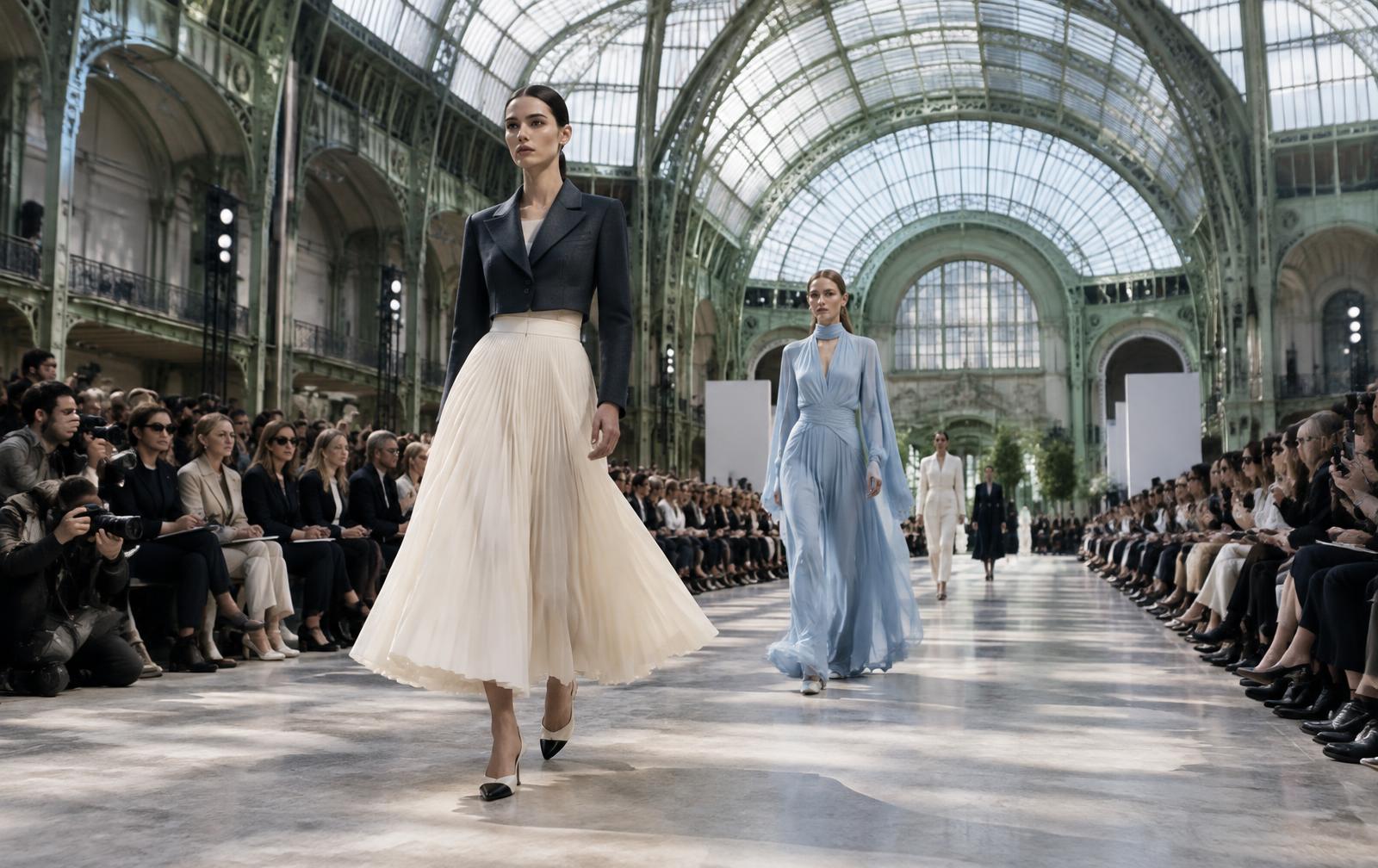
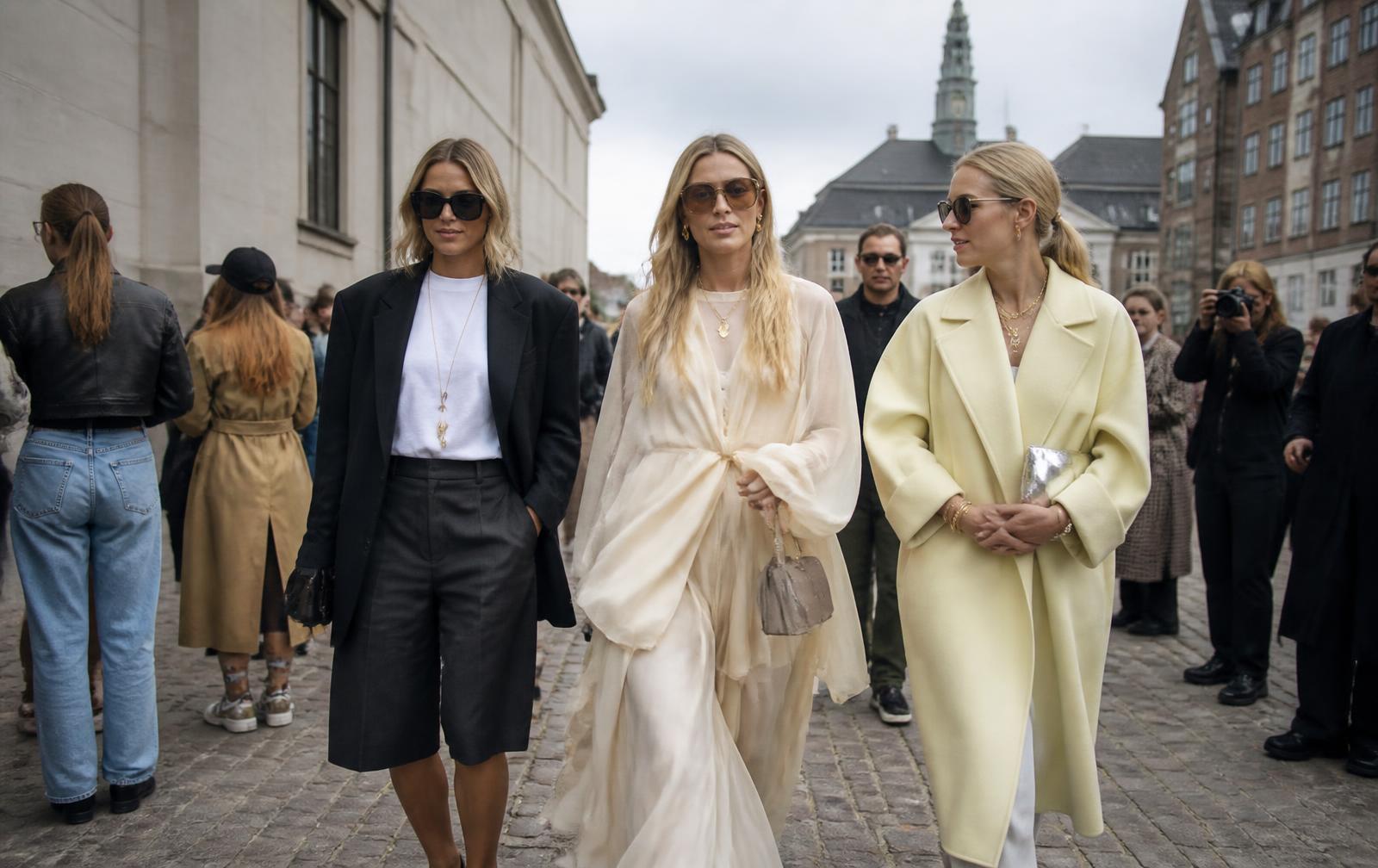
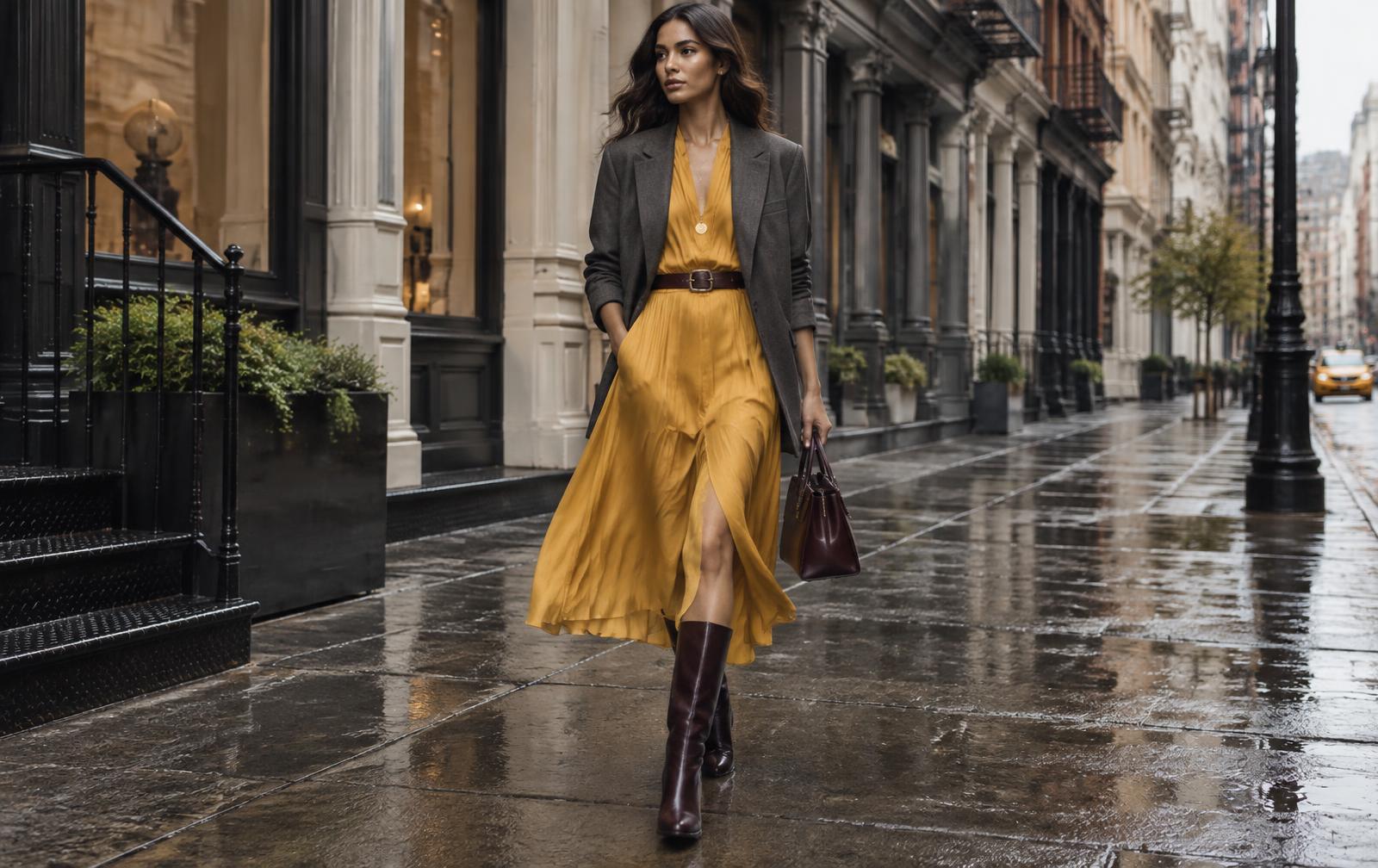
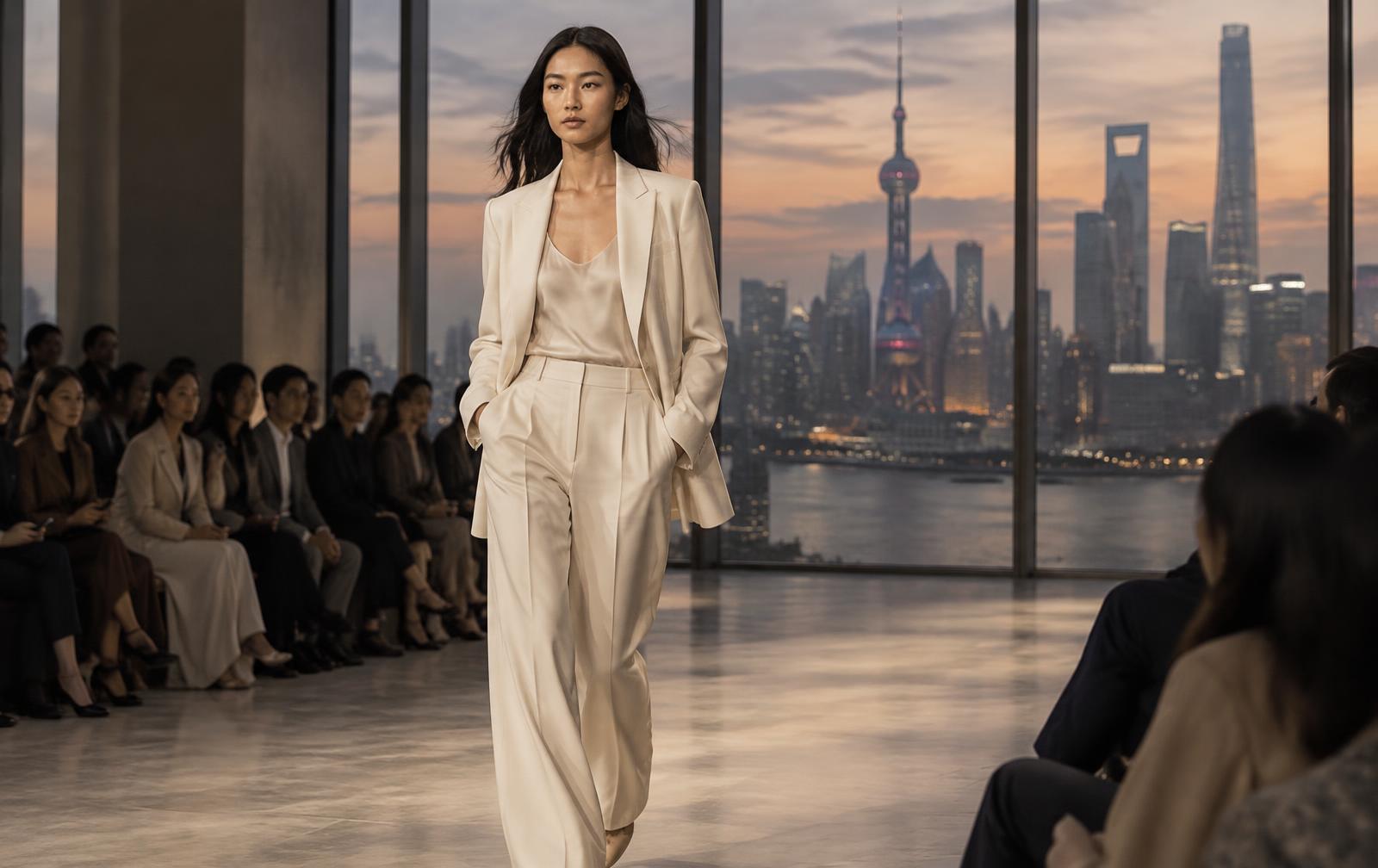
This analysis draws on reporting from Vogue, HERO, Fashion Times and Marie Claire Korea. Reported observations are separated from The Beauty Edit's interpretation. All six images are conceptual editorial illustrations. They do not document real shows or reproduce designers' looks.
Shanghai's SS27 season did not shout. It built: clothes for real life, stores with real doors and designers with clear voices. That is exactly why it belongs on your radar.
Disclosure · The selections below were independently chosen by our editors. Some links are affiliate; we may earn a small commission when you shop through them.
The Beauty Edit Style
Discover your personal style
Before deciding what to buy, it helps to understand what genuinely belongs to you. Our style diagnostic reads the silhouettes, textures and details you're drawn to — and names the identity behind them.
Curated · Tested · Recommended
Suggested to Shop
The pieces mentioned in this story, in one place — independently chosen by our editors.
Some links are affiliate. We may earn a commission at no cost to you.